Moving Companies in Port Orchard, WA
Local moves around Port Orchard are billed hourly, with a two-mover crew and truck running $130 to $180 per hour, and a three-mover crew running $180 to $240 per hour. By home size, a studio or one-bedroom typically totals $400 to $900 over 3 to 5 hours. A two- to three-bedroom home runs $900 to $2,500 over 5 to 8 hours. A larger home with four or more bedrooms can run $2,500 to $5,000 or more.
Since price is set by the hour, the details that shift your total most are how much you own, how many stairs are involved, and how far the truck has to park from your door. Ask any company for their hourly rate broken down by crew size before you compare quotes, and confirm whether the number includes the truck and standard equipment or bills those separately.
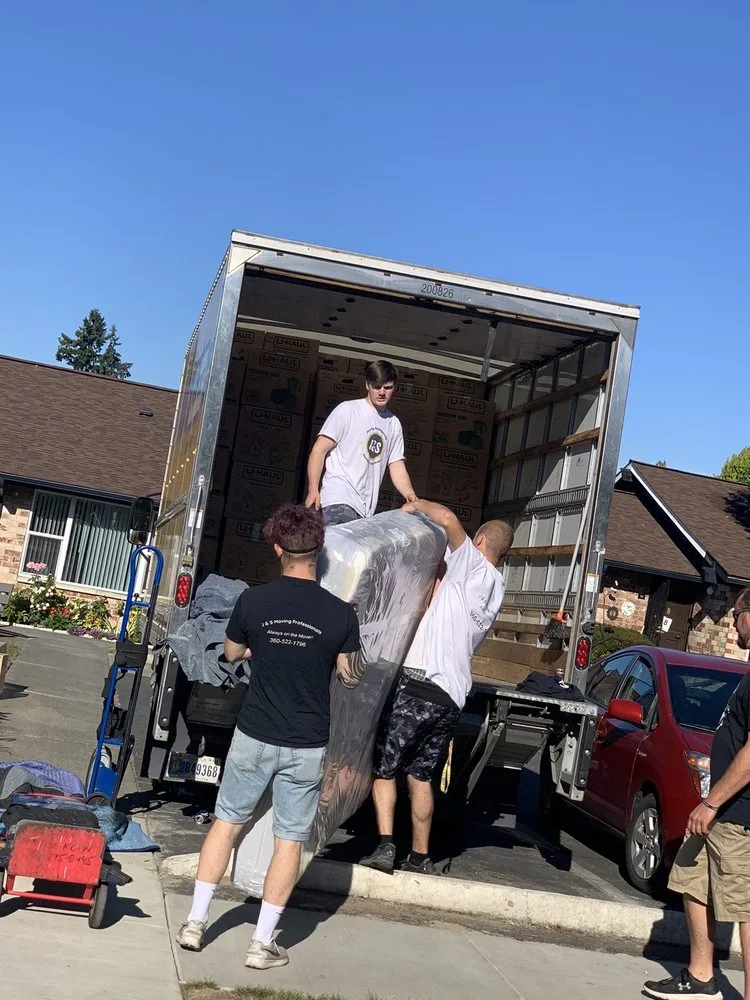
Given how variable Pacific Northwest weather can be, it's also worth having a rain contingency plan for moving day. A slick walkway or lawn can slow the crew down, and slower work at an hourly rate means a higher final bill.
Free · no obligation
Quotes from movers in Port Orchard, WA
Two answers below and we pass your move to licensed companies from this page. No account, no fee to you.
Filter & sort 1 Rating, reviews, fleet, licence
Best Movers in Port Orchard, WA
Ranked by popularity. Licensing, insurance and photos shown for each.




What customers say in Port Orchard, WA
Who's moving to Port Orchard, WA
Federal tax-filer migration data for Kitsap County.
56% arrived from another state. Long-haul moves need a carrier with active interstate operating authority — plenty of local companies don't hold one.
See licensed movers31% of departures stayed under 50 miles. Short local moves are usually priced by the hour, so a regional company is often the cheaper call.
See the full picture — 5-year trend, state flows and top routes
Each bar shows that state's in/out split — rows are ranked by total volume.
Households arriving from another state report $79,872 in average annual income; those relocating from elsewhere in Washington report $91,801. Long-distance arrivals are the higher-budget half of the market.
How this works: IRS SOI County-to-County Migration Data, 2022-2023. The IRS compares the address on consecutive tax returns, so every move here is a real filed household. The catch: it publishes annually with about a two-year lag, counts Kitsap County rather than city limits exactly, misses people who don't file a return, and leaves 36% of moves unattributed to a specific county, because flows too small to publish are grouped into regional buckets instead. See the whole state on the Washington migration page →
How much truck space do you need?
I’m moving a that’s .
Industry rules of thumb — about seven pounds per cubic foot, and published rental-truck capacities. Not our carrier records, not a quote. Bring both numbers to the call and what you get back will finally be comparable.